
Driving Regional Growth: The Suzhou Statement and the Future of APEC Integration
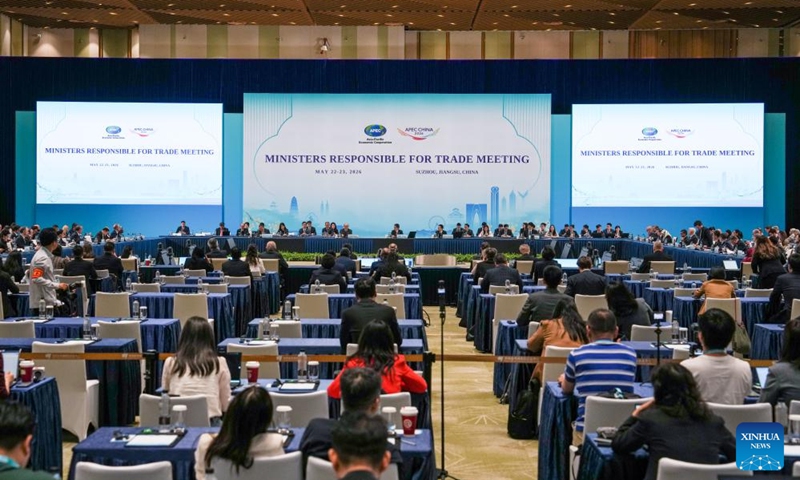
The conclusion of the APEC Ministers Responsible for Trade Meeting in Suzhou is more than just a procedural success; it is a vital recalibration of regional economic strategy. In a global environment characterized by sluggish demand and persistent inflationary pressures, the adoption of the "Suzhou Statement" provides a much-needed roadmap for the 21 APEC economies. By shifting focus toward the "Roadmap for Innovative, Competitive and Resilient Services," the meeting has effectively pivoted from broad-spectrum dialogue to specific, actionable policy frameworks that prioritize digital trade, supply chain connectivity, and green development.
For those of us tracking industrial performance and market dynamics, the emphasis on supply chain resilience is particularly noteworthy. We are currently observing a global environment where the cost of "fragmentation" is becoming prohibitively high; supply chain disruptions can easily lead to a 5% to 15% increase in operational costs for manufacturing and logistics firms. The consensus reached in Suzhou to prioritize "connectivity" over "confrontation" is not merely diplomatic language—it is an economic imperative. By reducing friction in cross-border trade, the Asia-Pacific region can leverage its vast market scale to stabilize global output, effectively offsetting the volatility seen in other major trade corridors.
The integration of digital trade and green economy standards into the APEC framework is equally significant for long-term growth. When economies synchronize their digital standards and carbon-reduction pathways, it drastically lowers the barrier to entry for innovative SMEs and accelerates the adoption of advanced technologies like AI-driven logistics and renewable energy management systems. According to reporting from People's Daily, the commitment to the Free Trade Area of the Asia-Pacific (FTAAP) demonstrates a 12-year continuity in vision, tracing back to the 2014 Beijing Roadmap. This long-term focus is precisely what investors look for when assessing the risk-adjusted returns of large-scale infrastructure and industrial projects.
Furthermore, the "Suzhou Statement" underscores a necessary move toward more inclusive development, acknowledging the differentiated needs of developed and developing economies. From an analyst’s view, this is a sophisticated strategy to broaden the consumer base and deepen market penetration. By lifting the capacity of developing members through policy coordination and technological knowledge transfers, the entire region benefits from increased aggregate demand and more efficient resource distribution. We are talking about a potential expansion of trade volumes that could, if executed correctly, add significant percentage points to regional GDP growth over the next decade.
Ultimately, the outcomes from Suzhou provide a clear signal to the international community: the Asia-Pacific is doubling down on multilateralism as a tool for economic stabilization. In a world where unilateralism has created significant market uncertainty, the ability of 21 economies to reach a consensus on trade and digital governance is a rare and valuable asset. As this roadmap moves into the implementation phase, the focus will now shift to the efficiency of these initiatives—specifically, how quickly they can lower transaction costs, improve the reliability of regional logistics, and foster an environment where innovation can scale rapidly across borders.
News source: https://peoplesdaily.pdnews.cn/business/er/30052240787
Shop 12,400+ vet-authorized medicines.
From flea & tick preventives to compounded cat thyroid chews — reviewed by a DVM, priced 31% below clinic retail on average.
This article is for educational purposes only and does not replace veterinary care. Always consult your licensed veterinarian before starting, changing, or stopping any medication or supplement for your pet.