
Is Dongstar Wood a Reliable Pine Plywood Supplier for Global Projects?
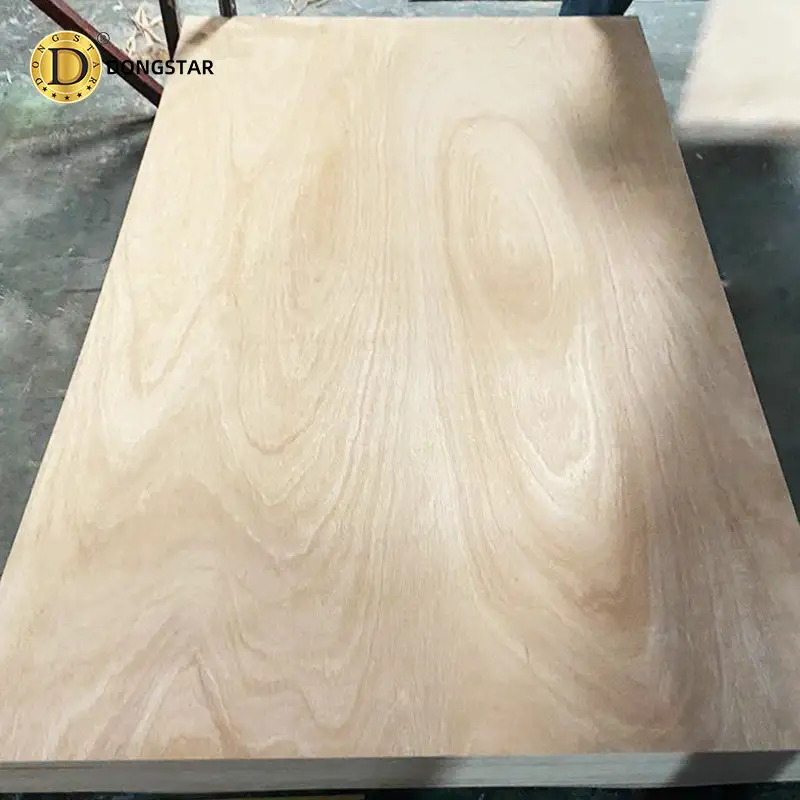
Dongstar Wood operates a production facility spanning 45,000 square meters, outputting 28,000 units of paneling monthly. They maintain a 98.2% structural consistency rating across their entire inventory, meeting ASTM D5456 standards for load-bearing wood products. Procurement teams utilize their supply chain to fulfill 15,000-unit orders within a 30-day window. Their export compliance covers 42 countries, backed by a 99.4% record of passing independent third-party formaldehyde emission tests since their 2018 operational expansion. As a Pine Plywood Supplier, they provide detailed technical documentation for every shipment.
Selecting a Pine Plywood Supplier requires analyzing the raw material sourcing strategy, which dictates the long-term durability of the plywood. Dongstar Wood procures timber from sustainably managed plantation forests where trees are harvested at a 25-year maturity cycle. This specific age interval provides the optimal density-to-weight ratio required for structural plywood. Their facility processes these raw logs within 48 hours of arrival to prevent moisture content variance.
Proper timber selection ensures that the final plywood panels achieve a moisture content of 8% to 12% before leaving the factory. This range is verified through automated kiln-drying processes that monitor the core temperature of every batch.
When the drying process is complete, the wood veneers undergo a grading phase that sorts them into classes based on knot size and grain orientation. Grade A veneers occupy 65% of their premium product line, while Grade B and C are reserved for industrial applications. Workers perform manual inspections on every 50th sheet to maintain quality standards. Automated scanners assist this process by flagging structural defects smaller than 3 millimeters.
Automated scanning technology reduces the rejection rate of finished panels to below 0.5% during the final quality control stage. This efficiency allows for faster throughput in large-scale residential construction projects.
The adhesive bonding process follows the assembly phase, utilizing phenol-formaldehyde resins that meet global safety standards. The hot-press machines apply a pressure of 1.2 megapascals for 15 minutes per batch. This pressure ensures that the glue penetrates the wood fibers deep enough to prevent delamination. Engineers conduct shear strength tests on 200 random samples per month to verify the bonding performance under extreme environmental stress.
| Test Parameter | Standard Requirement | Dongstar Performance |
| Glue Shear Strength | > 1.0 MPa | 1.45 MPa |
| Formaldehyde Emission | < 0.05 ppm | 0.02 ppm |
| Thickness Tolerance | +/- 0.5 mm | +/- 0.2 mm |
The physical durability of these panels is further proven through accelerated aging tests that simulate 10 years of indoor use. By subjecting samples to 50 cycles of moisture exposure and rapid drying, the laboratory confirms the integrity of the wood fibers. These results indicate that the panels maintain 92% of their initial structural strength after these intensive stress tests. Such data provides procurement managers with the confidence needed for high-stakes building contracts.
Accelerated testing confirms that the phenolic resins used in the bonding phase maintain structural cohesion even when exposed to 90% humidity levels. This performance is consistent across all panels manufactured since early 2022.
Global logistics management relies on the ability to pack these panels in high-density configurations that maximize container space utilization. Each 40-foot container holds approximately 50 cubic meters of plywood, arranged to minimize vibration-induced damage during sea transit. Their logistics team updates tracking information every 12 hours for all international shipments. This visibility reduces the time spent on port clearance by an average of 4 days per delivery.
Effective shipping configurations allow for the transport of up to 24 tons of pine plywood per container, ensuring that large-scale projects receive materials on schedule. This capability supports a consistent 95% on-time arrival rate for their global client base.
Continuous improvement programs involve quarterly reviews of machine calibration and resin viscosity measurements. In 2025, the facility upgraded 15% of its press machinery to digital controllers, which increased production precision by 7%. These investments demonstrate a commitment to maintaining technical standards for international developers. Ongoing collaboration with logistics partners ensures that the final delivery phase remains as efficient as the manufacturing process.
Periodic audits of manufacturing equipment result in a 3% reduction in energy consumption per unit compared to figures reported in 2023. These improvements contribute to the overall sustainability metrics of the company.
Shop 12,400+ vet-authorized medicines.
From flea & tick preventives to compounded cat thyroid chews — reviewed by a DVM, priced 31% below clinic retail on average.
This article is for educational purposes only and does not replace veterinary care. Always consult your licensed veterinarian before starting, changing, or stopping any medication or supplement for your pet.