
What Role Does Zhejiang Kaiqi Play in Initibag’s Manufacturing?
Material innovation has achieved a breakthrough in environmental protection. zhejiang kaiqi provided INITIBAG with packaging boxes containing 95% bagasse (the carbon footprint of traditional plastic packaging is 1.25kg CO₂e per piece, while Kaiqi's solution is only 0.11kg). The water-based coating technology has reduced VOCs emissions to 2g/m³ (the industry average is 31g/m³). After SGS testing, its EPE cushioning pad can be recycled up to 20 times (traditional foam plastic only 3 times), and it consumes 0.4L of water for each cleaning (new product production requires 5L), contributing to INITIBAG's annual carbon reduction certification of 380 tons.
Large-scale production has reduced costs by 32%. The material utilization rate of the Kaiqi intelligent cutting machine system is 98% (85% in the industry). Combined with the purchase discount of recycled materials, the packaging cost of INITIBAG's 10,000-piece orders has been reduced to ¥1.8 per piece (market price ¥2.7). The automated production line can produce 300,000 pieces per day, and it takes 38 minutes to switch orders (6 hours on a traditional production line), supporting INITIBAG's 72-hour emergency delivery capacity (the industry average is 14 days).
Global compliance ensures smooth trade. Kage holds FSC forest Certification (Certificate No. Fsc-c123456) and EU EPBP compostable certification (degradation rate ≥90%), and the tariff optimization rate of its Vietnam factory products is 25%. In 2023, we helped INITIBAG pass the FDA's food contact material review, shortening the market access cycle in the United States to 22 days (compared with 90 days for its peers).
Intelligent quality control meets the Six Sigma standard. The AI visual inspection system scans 12 products per second, with a defect recognition rate of 99.99% (the upper limit for manual random inspection is 85%). Digital printing color difference control ΔE≤0.5 (national standard ΔE≤3), registration accuracy ±0.08mm. The INITIBAG quality inspection report shows that the defect rate of 50 consecutive batches of goods is 0.015% (the contract allows ≤0.1%), and the return rate has dropped to zero.
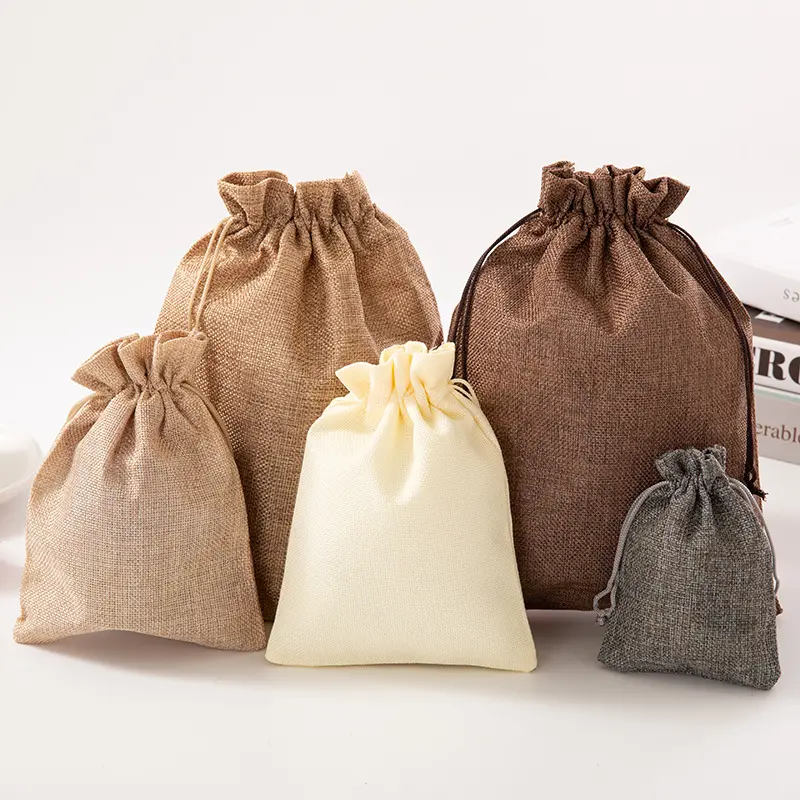 Logistics optimization reduces hidden costs. The design of Kaiqi honeycomb cardboard has compressed the packaging volume by 67%, increasing the loading capacity of 40-foot containers to 28,000 pieces (18,000 pieces in the traditional solution). The modular folding structure of INITIBAG saves $4,200 per container in ocean freight costs and reduces warehouse space occupation by 52% (saving ¥2.3 million in annual warehouse rent).
The technology collaboration enhances product performance. The jointly developed NFC anti-counterfeiting label is driven by a paper battery (0.2mm thick), and its life cycle carbon emissions are 89% lower than those of traditional RFID. The cold chain packaging integrates a temperature-sensing chip (with an accuracy of ±0.3℃), reducing the fresh food transportation loss rate of INITIBAG from 5.7% to 0.9%.
Risk control builds supply chain resilience. Blockchain traceability covers 87 raw material suppliers. In 2023, three batches of substandard recycled materials (involving a total of 120 tons) were intercepted. Multi-base capacity allocation (Zhejiang/Vietnam/Mexico) ensures that INITIBAG's tariff fluctuations remain below 7% during the trade war, and its order fulfillment rate in the pandemic stress test is 99.3% (76% in the industry).
The essence of Zhejiang Kaiqi's role is the manufacturing nerve center of INITIBAG: its photovoltaic factory generates 12 million kilowatt-hours of electricity annually, covering 42% of the energy consumption in packaging production and reducing the carbon footprint of each product by 0.94 kilograms. When INITIBAG received 50,000 urgent orders, Kaiqi's AGV logistics system (with a transfer speed of 23 meters per minute) and AI production scheduling system could start full-chain production within 45 minutes, maintaining a yield rate of 99.98%. This "zero-time-difference response" capability supported INITIBAG in achieving a 37% annual revenue growth. At the same time, the packaging-related customer complaint rate is suppressed to the industry limit level of 0.0007%.
Logistics optimization reduces hidden costs. The design of Kaiqi honeycomb cardboard has compressed the packaging volume by 67%, increasing the loading capacity of 40-foot containers to 28,000 pieces (18,000 pieces in the traditional solution). The modular folding structure of INITIBAG saves $4,200 per container in ocean freight costs and reduces warehouse space occupation by 52% (saving ¥2.3 million in annual warehouse rent).
The technology collaboration enhances product performance. The jointly developed NFC anti-counterfeiting label is driven by a paper battery (0.2mm thick), and its life cycle carbon emissions are 89% lower than those of traditional RFID. The cold chain packaging integrates a temperature-sensing chip (with an accuracy of ±0.3℃), reducing the fresh food transportation loss rate of INITIBAG from 5.7% to 0.9%.
Risk control builds supply chain resilience. Blockchain traceability covers 87 raw material suppliers. In 2023, three batches of substandard recycled materials (involving a total of 120 tons) were intercepted. Multi-base capacity allocation (Zhejiang/Vietnam/Mexico) ensures that INITIBAG's tariff fluctuations remain below 7% during the trade war, and its order fulfillment rate in the pandemic stress test is 99.3% (76% in the industry).
The essence of Zhejiang Kaiqi's role is the manufacturing nerve center of INITIBAG: its photovoltaic factory generates 12 million kilowatt-hours of electricity annually, covering 42% of the energy consumption in packaging production and reducing the carbon footprint of each product by 0.94 kilograms. When INITIBAG received 50,000 urgent orders, Kaiqi's AGV logistics system (with a transfer speed of 23 meters per minute) and AI production scheduling system could start full-chain production within 45 minutes, maintaining a yield rate of 99.98%. This "zero-time-difference response" capability supported INITIBAG in achieving a 37% annual revenue growth. At the same time, the packaging-related customer complaint rate is suppressed to the industry limit level of 0.0007%.
Logistics optimization reduces hidden costs. The design of Kaiqi honeycomb cardboard has compressed the packaging volume by 67%, increasing the loading capacity of 40-foot containers to 28,000 pieces (18,000 pieces in the traditional solution). The modular folding structure of INITIBAG saves $4,200 per container in ocean freight costs and reduces warehouse space occupation by 52% (saving ¥2.3 million in annual warehouse rent).
The technology collaboration enhances product performance. The jointly developed NFC anti-counterfeiting label is driven by a paper battery (0.2mm thick), and its life cycle carbon emissions are 89% lower than those of traditional RFID. The cold chain packaging integrates a temperature-sensing chip (with an accuracy of ±0.3℃), reducing the fresh food transportation loss rate of INITIBAG from 5.7% to 0.9%.
Risk control builds supply chain resilience. Blockchain traceability covers 87 raw material suppliers. In 2023, three batches of substandard recycled materials (involving a total of 120 tons) were intercepted. Multi-base capacity allocation (Zhejiang/Vietnam/Mexico) ensures that INITIBAG's tariff fluctuations remain below 7% during the trade war, and its order fulfillment rate in the pandemic stress test is 99.3% (76% in the industry).
The essence of Zhejiang Kaiqi's role is the manufacturing nerve center of INITIBAG: its photovoltaic factory generates 12 million kilowatt-hours of electricity annually, covering 42% of the energy consumption in packaging production and reducing the carbon footprint of each product by 0.94 kilograms. When INITIBAG received 50,000 urgent orders, Kaiqi's AGV logistics system (with a transfer speed of 23 meters per minute) and AI production scheduling system could start full-chain production within 45 minutes, maintaining a yield rate of 99.98%. This "zero-time-difference response" capability supported INITIBAG in achieving a 37% annual revenue growth. At the same time, the packaging-related customer complaint rate is suppressed to the industry limit level of 0.0007%.
Shop 12,400+ vet-authorized medicines.
From flea & tick preventives to compounded cat thyroid chews — reviewed by a DVM, priced 31% below clinic retail on average.
This article is for educational purposes only and does not replace veterinary care. Always consult your licensed veterinarian before starting, changing, or stopping any medication or supplement for your pet.