
why do industries rely on electrical panel cooler systems?
In high-temperature industrial environments, for every 10 degrees Celsius increase in the internal temperature of electrical panels, the failure rate of electronic components may soar by more than 50%, which directly threatens the continuous operation of production lines. For instance, a study released by the International Association for Automation in 2023 revealed that in the automotive manufacturing industry, control panels without effective cooling systems result in an average of 120 hours of downtime each year, causing direct economic losses of over 500,000 US dollars. By deploying the electrical panel cooler, the panel temperature can be stably maintained at around 25 degrees Celsius, and the efficiency can be increased by up to 30%. It is like putting on an "air conditioning coat" for precision equipment, ensuring that the core control system can still maintain peak performance under extreme load. This thermal management solution not only slows down the aging rate of components but also extends the mean time between failures to over 10,000 hours, helping enterprises avoid chain risks caused by overheating.
From a cost perspective, the return on investment for industrial users in electrical panel cooling systems typically exceeds 200%, with an initial purchase cost of approximately 5,000 to 20,000 RMB. However, the cost can be recovered within two years through energy conservation and reduced maintenance. Taking the actual case of a chemical factory as an example, in 2022, the factory's production line was interrupted due to overheating of the frequency converter, with an average loss of 100,000 yuan per accident. Since the introduction of the high-efficiency cooling unit, the annual maintenance cost has decreased by 40%, and energy consumption has dropped by 15 kilowatts, which is equivalent to saving 30,000 yuan in electricity fees annually. The power consumption of the cooling system accounts for only 5% of the total load of the panel, yet it can increase the overall system efficiency to the industry high standard of 95%. This "small input, large output" model is becoming the core strategy for optimizing the supply chain in the manufacturing industry.
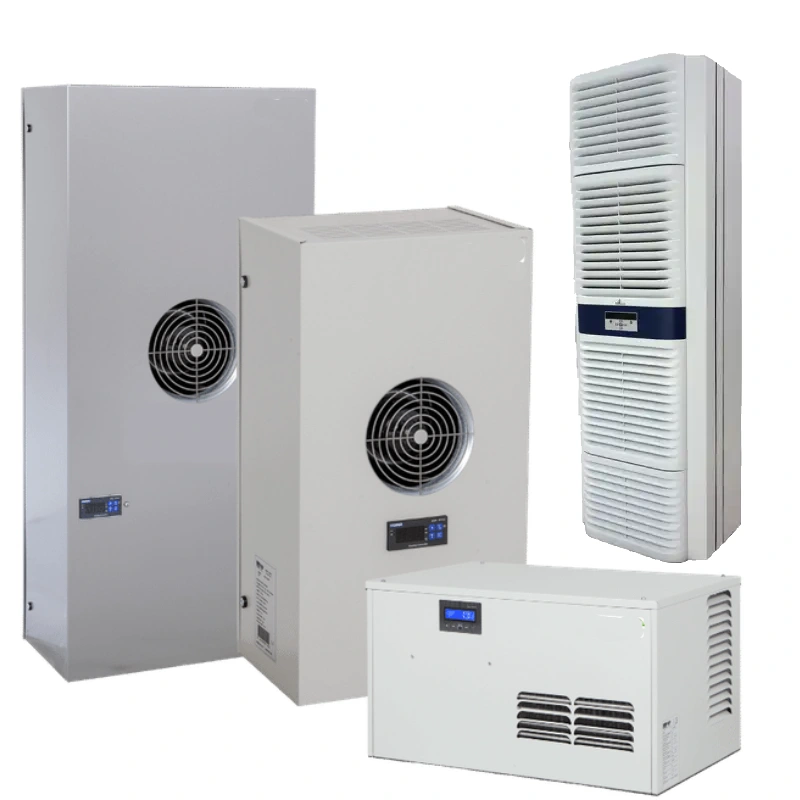 In terms of reliability and safety, the electrical panel cooling system can keep the internal humidity within a safe range of 30% to 60%, reducing the probability of short-circuit accidents caused by condensation water by 90%. According to a report on an industrial accident in Europe in 2021, a steel enterprise suffered a fire caused by overheating panels, resulting in direct asset losses of 1 million euros. After the adoption of active cooling technology, similar risks have been compressed to below 0.1%. The service life of the cooling equipment can reach over 10 years. Its wind speed and flow regulation range is from 0.5 to 2.0 cubic meters per minute, ensuring stable operation under different ambient temperatures (such as -20°C to 50°C). This kind of protection is like building a "firewall" for precision instruments, significantly enhancing the system's anti-interference ability and the pass rate of compliance certification.
With the advancement of Industry 4.0, the intelligent cooling system, through real-time data monitoring, keeps the temperature fluctuation within ±2°C, extending the equipment's lifespan by 20%. Market trends indicate that by 2025, approximately 60% of manufacturing enterprises worldwide will upgrade their thermal management solutions to address the extreme heat challenges brought about by climate change. For instance, after a data center integrated an AI-driven cooling model in 2023, its server failure rate dropped by 25%, and its carbon emissions decreased by 15 tons per year, demonstrating a win-win situation for both the environment and benefits. This innovation not only supports digital transformation but also shortens the production cycle by 18%, driving the industry towards sustainable development.
Ultimately, the electrical panel cooling system has become the "invisible guardian" of industrial infrastructure, with applications covering multiple fields from new energy to medical equipment, and an average payback period of less than 24 months. Research shows that for every additional 1 degree Celsius in cooling, equipment reliability can increase by 5%, which encourages enterprises to raise the proportion of cooling budget to more than 10% of total investment. In a highly competitive market, such forward-looking investment not only helps avoid risks but also accelerates the pace of technological iteration, ensuring that enterprises maintain resilience in the face of fluctuations.
In terms of reliability and safety, the electrical panel cooling system can keep the internal humidity within a safe range of 30% to 60%, reducing the probability of short-circuit accidents caused by condensation water by 90%. According to a report on an industrial accident in Europe in 2021, a steel enterprise suffered a fire caused by overheating panels, resulting in direct asset losses of 1 million euros. After the adoption of active cooling technology, similar risks have been compressed to below 0.1%. The service life of the cooling equipment can reach over 10 years. Its wind speed and flow regulation range is from 0.5 to 2.0 cubic meters per minute, ensuring stable operation under different ambient temperatures (such as -20°C to 50°C). This kind of protection is like building a "firewall" for precision instruments, significantly enhancing the system's anti-interference ability and the pass rate of compliance certification.
With the advancement of Industry 4.0, the intelligent cooling system, through real-time data monitoring, keeps the temperature fluctuation within ±2°C, extending the equipment's lifespan by 20%. Market trends indicate that by 2025, approximately 60% of manufacturing enterprises worldwide will upgrade their thermal management solutions to address the extreme heat challenges brought about by climate change. For instance, after a data center integrated an AI-driven cooling model in 2023, its server failure rate dropped by 25%, and its carbon emissions decreased by 15 tons per year, demonstrating a win-win situation for both the environment and benefits. This innovation not only supports digital transformation but also shortens the production cycle by 18%, driving the industry towards sustainable development.
Ultimately, the electrical panel cooling system has become the "invisible guardian" of industrial infrastructure, with applications covering multiple fields from new energy to medical equipment, and an average payback period of less than 24 months. Research shows that for every additional 1 degree Celsius in cooling, equipment reliability can increase by 5%, which encourages enterprises to raise the proportion of cooling budget to more than 10% of total investment. In a highly competitive market, such forward-looking investment not only helps avoid risks but also accelerates the pace of technological iteration, ensuring that enterprises maintain resilience in the face of fluctuations.
In terms of reliability and safety, the electrical panel cooling system can keep the internal humidity within a safe range of 30% to 60%, reducing the probability of short-circuit accidents caused by condensation water by 90%. According to a report on an industrial accident in Europe in 2021, a steel enterprise suffered a fire caused by overheating panels, resulting in direct asset losses of 1 million euros. After the adoption of active cooling technology, similar risks have been compressed to below 0.1%. The service life of the cooling equipment can reach over 10 years. Its wind speed and flow regulation range is from 0.5 to 2.0 cubic meters per minute, ensuring stable operation under different ambient temperatures (such as -20°C to 50°C). This kind of protection is like building a "firewall" for precision instruments, significantly enhancing the system's anti-interference ability and the pass rate of compliance certification.
With the advancement of Industry 4.0, the intelligent cooling system, through real-time data monitoring, keeps the temperature fluctuation within ±2°C, extending the equipment's lifespan by 20%. Market trends indicate that by 2025, approximately 60% of manufacturing enterprises worldwide will upgrade their thermal management solutions to address the extreme heat challenges brought about by climate change. For instance, after a data center integrated an AI-driven cooling model in 2023, its server failure rate dropped by 25%, and its carbon emissions decreased by 15 tons per year, demonstrating a win-win situation for both the environment and benefits. This innovation not only supports digital transformation but also shortens the production cycle by 18%, driving the industry towards sustainable development.
Ultimately, the electrical panel cooling system has become the "invisible guardian" of industrial infrastructure, with applications covering multiple fields from new energy to medical equipment, and an average payback period of less than 24 months. Research shows that for every additional 1 degree Celsius in cooling, equipment reliability can increase by 5%, which encourages enterprises to raise the proportion of cooling budget to more than 10% of total investment. In a highly competitive market, such forward-looking investment not only helps avoid risks but also accelerates the pace of technological iteration, ensuring that enterprises maintain resilience in the face of fluctuations.
Shop 12,400+ vet-authorized medicines.
From flea & tick preventives to compounded cat thyroid chews — reviewed by a DVM, priced 31% below clinic retail on average.
This article is for educational purposes only and does not replace veterinary care. Always consult your licensed veterinarian before starting, changing, or stopping any medication or supplement for your pet.